
The Power of Breath: Ancient Pranayama for Modern Life 🌿
In a world that rarely pauses, the simple act of breathing often goes unnoticed. Yet within the traditions of yoga, breath is not merely a biological function—it is a gateway to awareness, vitality, and transformation. Known as pranayama, the practice of conscious breathing has been refined over thousands of years, offering a powerful bridge between body and mind that feels more relevant today than ever ✨
The Origins of Pranayama 🕉️
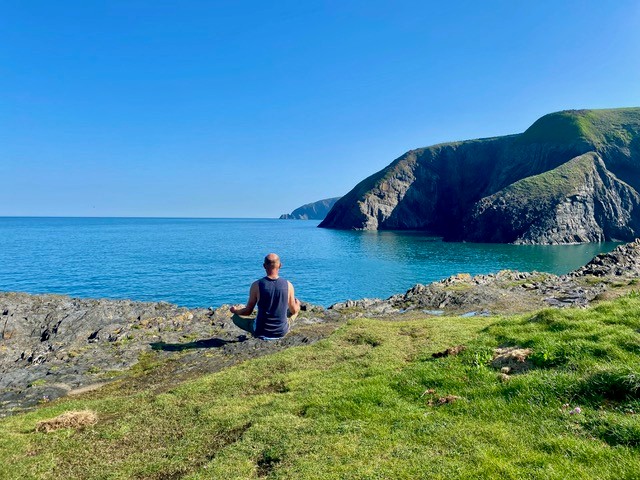
Pranayama finds its roots in the ancient spiritual traditions of India, particularly within the Vedic texts and later the Yoga Sutras. The word itself is derived from two Sanskrit terms: prana, meaning life force or vital energy, and ayama, meaning expansion or regulation. Together, pranayama refers to the intentional control and cultivation of life energy through breath.
Early yogis observed that breath and mind are intimately connected. When the mind is agitated, the breath becomes shallow and erratic. When the breath is steady and controlled, the mind naturally follows. This insight formed the foundation of pranayama as a core limb of yoga, designed not just for physical health but for spiritual development and inner clarity.
Traditionally, pranayama was practiced alongside meditation and ethical disciplines, forming a holistic path toward self-realisation. Techniques such as Nadi Shodhana (alternate nostril breathing), Kapalabhati (skull-shining breath), and Ujjayi (victorious breath) were developed to purify the body, balance the nervous system, and prepare the practitioner for deeper states of awareness .
Breath as a Tool for Transformation 🔄
What makes pranayama so powerful is its accessibility. Unlike complex postures or philosophical study, breath is always with us. It requires no equipment, no special setting—only attention.
Modern science is now beginning to validate what yogis have long understood. Conscious breathing can regulate the autonomic nervous system, reduce stress hormones, improve focus, and enhance emotional resilience. Slow, controlled breathing activates the parasympathetic response—the body’s natural “rest and digest” mode—counteracting the chronic stress so many experience today.
In this way, pranayama becomes more than a technique; it becomes a practical tool for navigating modern life. Whether you’re facing a demanding workday, struggling with anxiety, or simply seeking a moment of calm, your breath offers an immediate and effective anchor ⚓.
“The mind is the lord of the senses, but the breath is the lord of the mind”
Hatha Yoga Pradipika
Relevance in Today’s World 🌍
We live in an age of constant stimulation—notifications, deadlines, and endless streams of information. It’s no surprise that many people feel disconnected, overwhelmed, or perpetually “switched on.” Pranayama offers a way back to balance.
By consciously slowing and deepening the breath, we create space. Space to respond rather than react. Space to reconnect with ourselves. Space to feel grounded amidst the noise.
Importantly, pranayama doesn’t ask us to withdraw from modern life. Instead, it equips us to engage with it more skillfully. Just a few minutes of mindful breathing each day can shift your state, improve clarity, and support overall wellbeing.
Bringing Pranayama Into Your Practice 🧘♂️
It’s all about awareness…. You don’t need to be an experienced yogi to begin exploring breathwork. Start simply:
- Sit comfortably, with a relaxed but upright posture
- Bring your attention to your natural breath
- Gradually lengthen your inhale and exhale, keeping the rhythm smooth
- Notice how your body and mind respond
From there, you can begin to explore more structured techniques, ideally guided by an experienced teacher. The key is consistency and curiosity rather than perfection.
A Timeless Practice 🌟
Pranayama has endured for thousands of years because it speaks to something fundamental: the connection between breath, body, and mind. In a fast-paced, often fragmented world, this ancient practice offers a return to simplicity—and a reminder that the tools for balance and clarity are already within us.
Each breath is an opportunity. A reset. A quiet moment of awareness in the midst of movement. More importantly as we learn to breathe more consciously, we begin to live more consciously too…..