
Amazing Journeys – Migration Tales
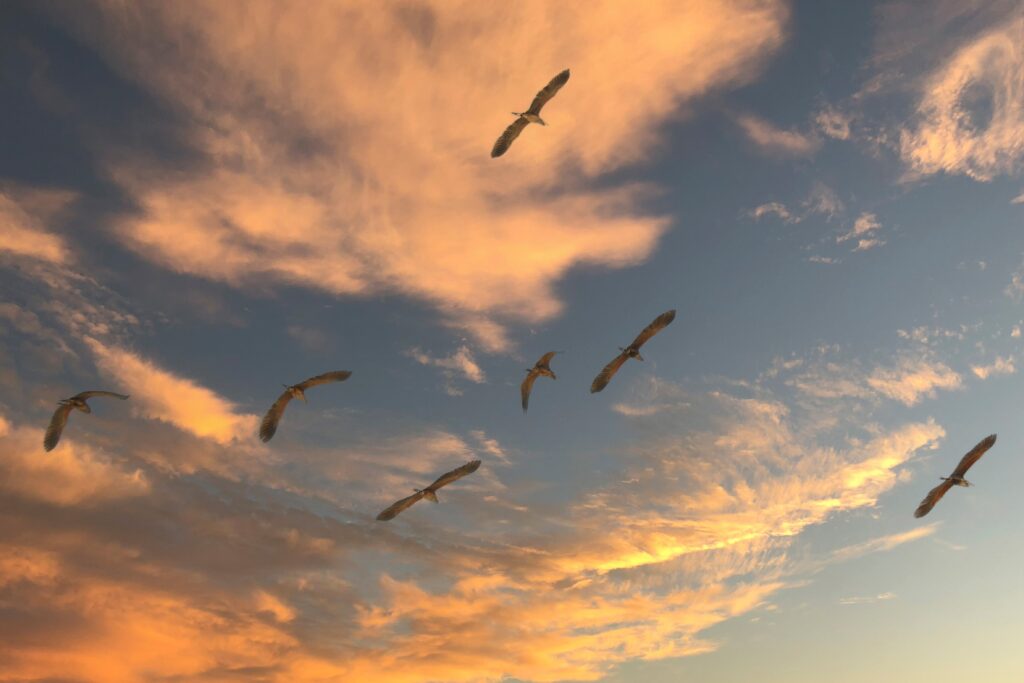
On a warm, still, April evening, go outside and look up into the velvety darkness and wonder. If you’re lucky you might hear something – a call from high above, a whistle or a soft piping noise dropped from the sky; sometimes you may hear an answering call. What is happening up there?
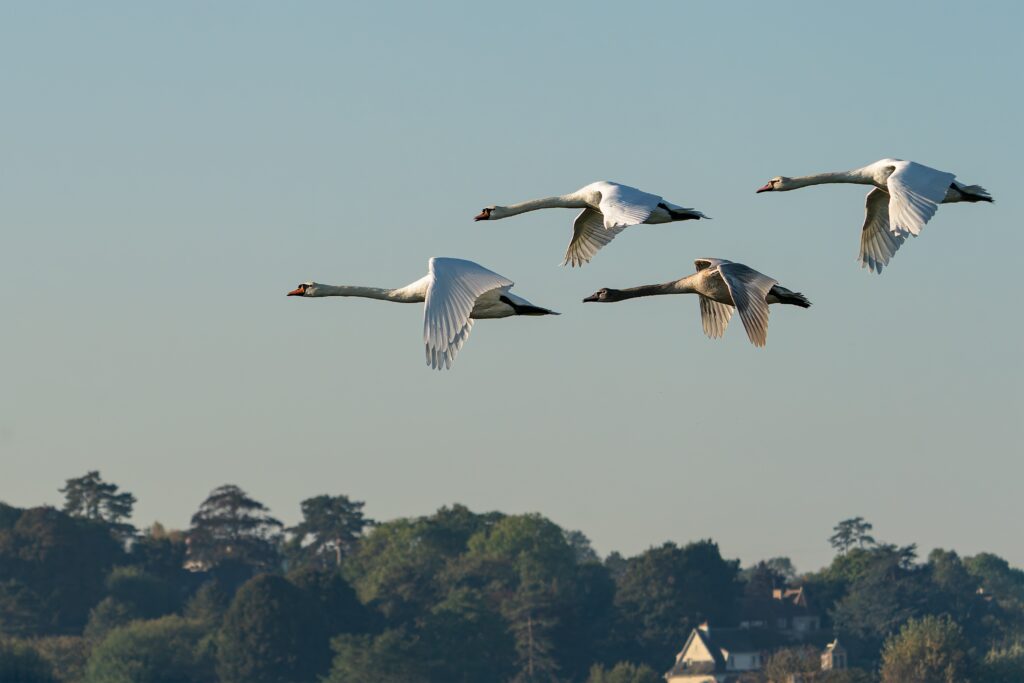
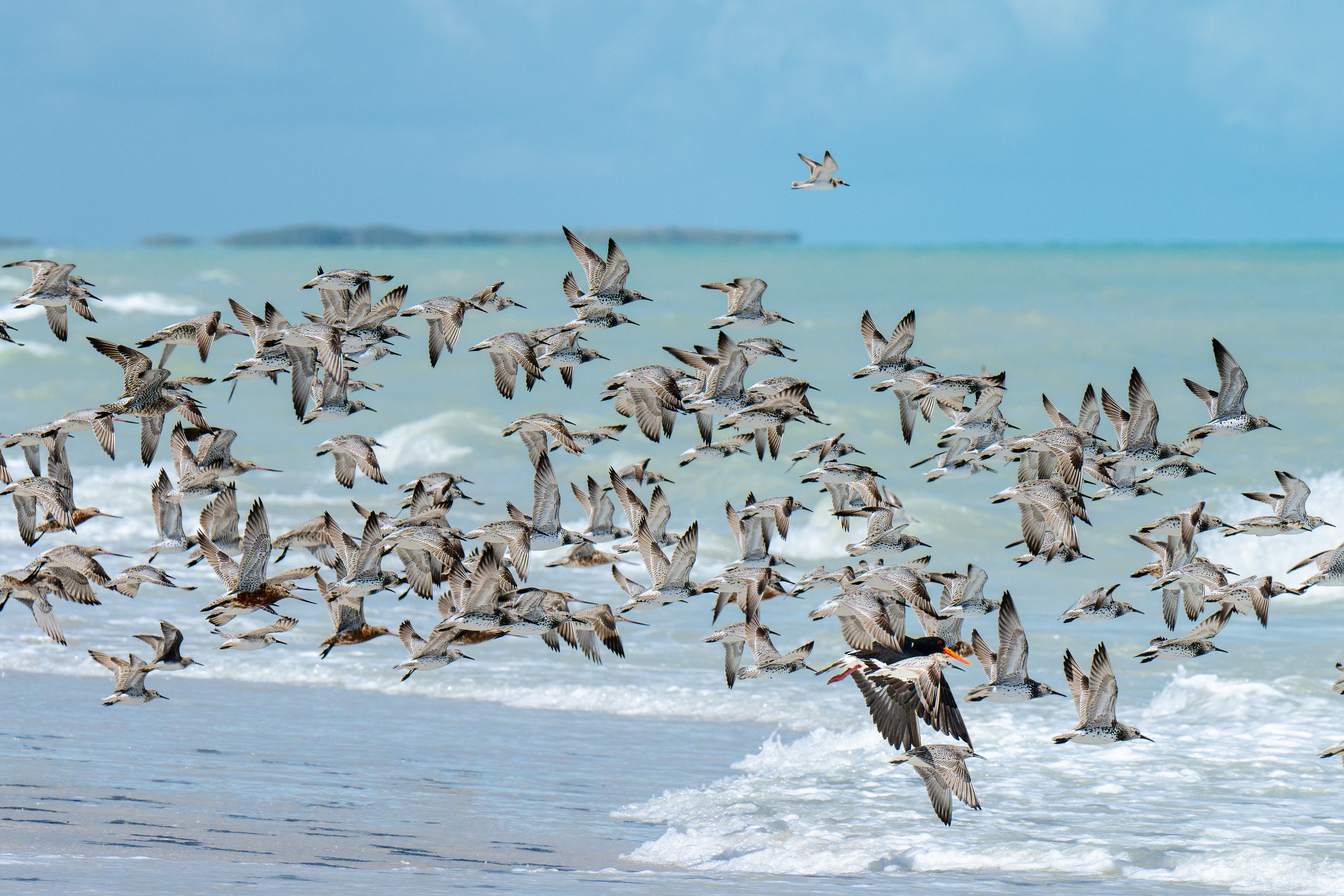
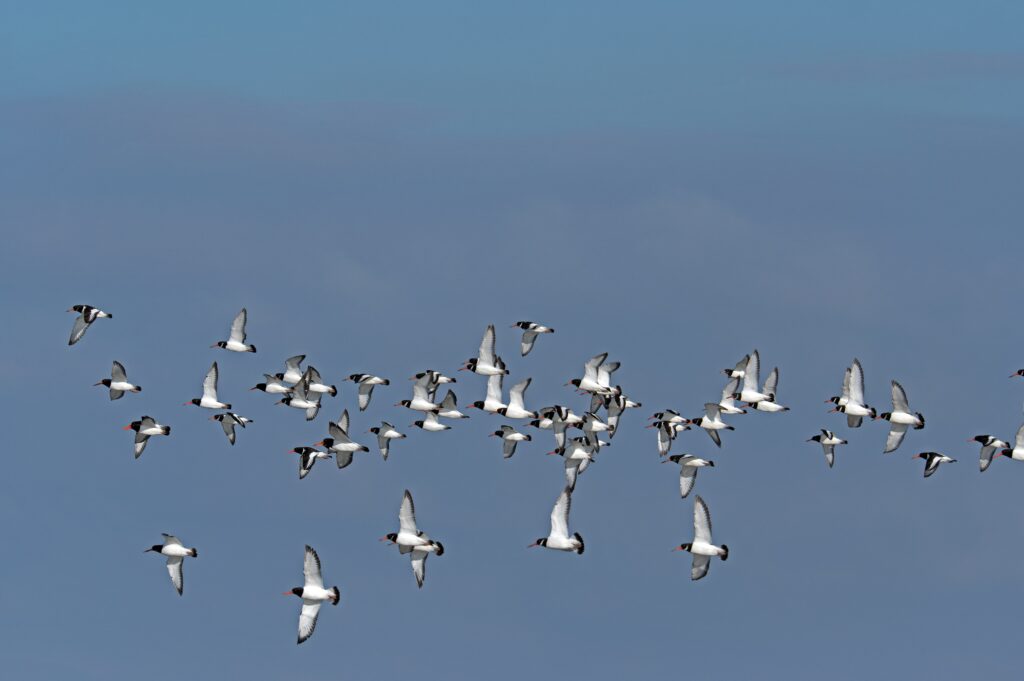
At this time of year birds are migrating, not just a few but millions of birds, some in groups, some singly, some in vast flocks and birds of all sizes from willow warblers weighing as much as a 20 pence coin to swans weighing 10kg or more. They will have travelled from all around the globe; from (or to) Siberia, from South America, from southern Africa and some just a short hop from the Mediterranean. But they all have one purpose – to arrive in northern Europe to raise a family, or two, in our brief summer then head back to the warmer southern climates for the winter. It’s a driven urge; a long-ago evolved need to head north; a journey that became longer and longer as the continents slowly drifted apart over countless aeons of time forcing the birds to travel further and further.
The Migration Journey
The journey is a battle; a drive to reach their breeding grounds, breed, then head back. They fly mainly at night over vast deserts, big seas, gale-driven winds high in the skies, sometimes aided by jet streams, sometimes not. Mountain ranges tear the sky and add challenges; wind, cold, ice, human hunters in the Mediterranean shoot their small bodies and deserts freeze or boil them until there is nowhere left to go but to sleep and rest and, hopefully, find some food to rebuild and sustain their small, energy-starved bodies.
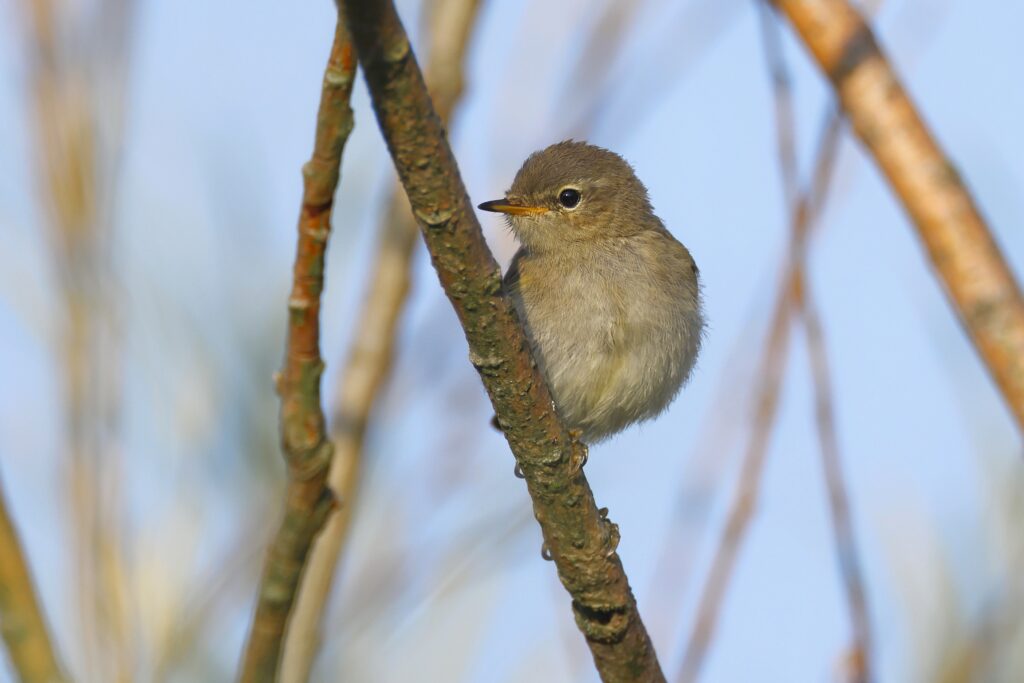
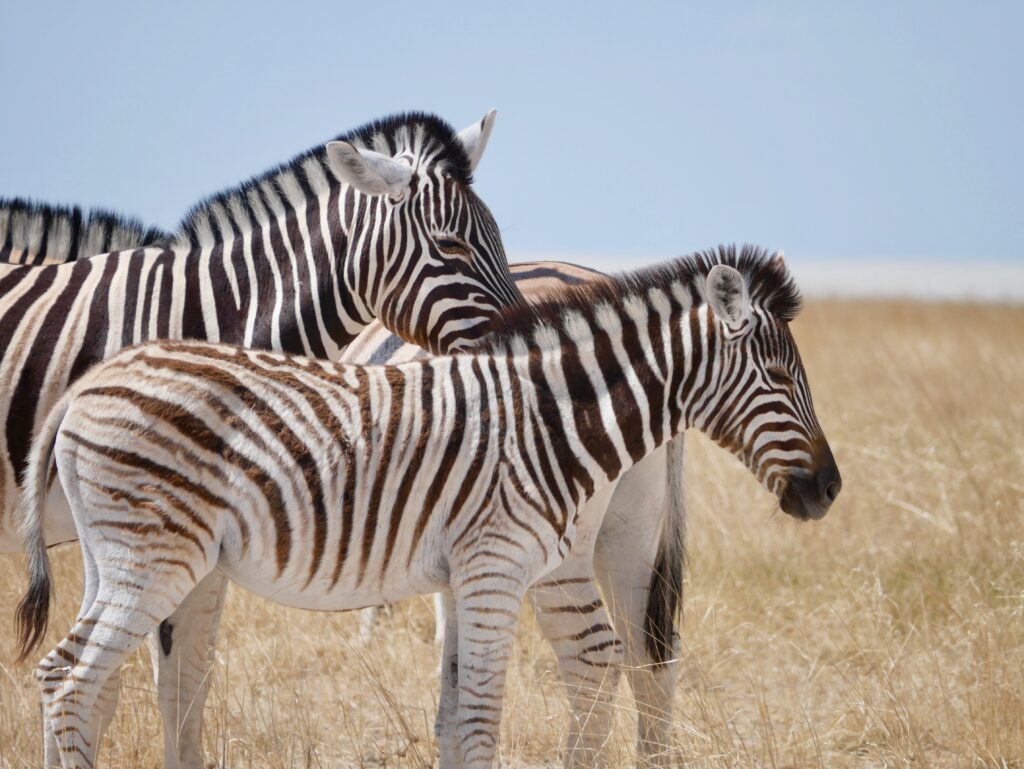
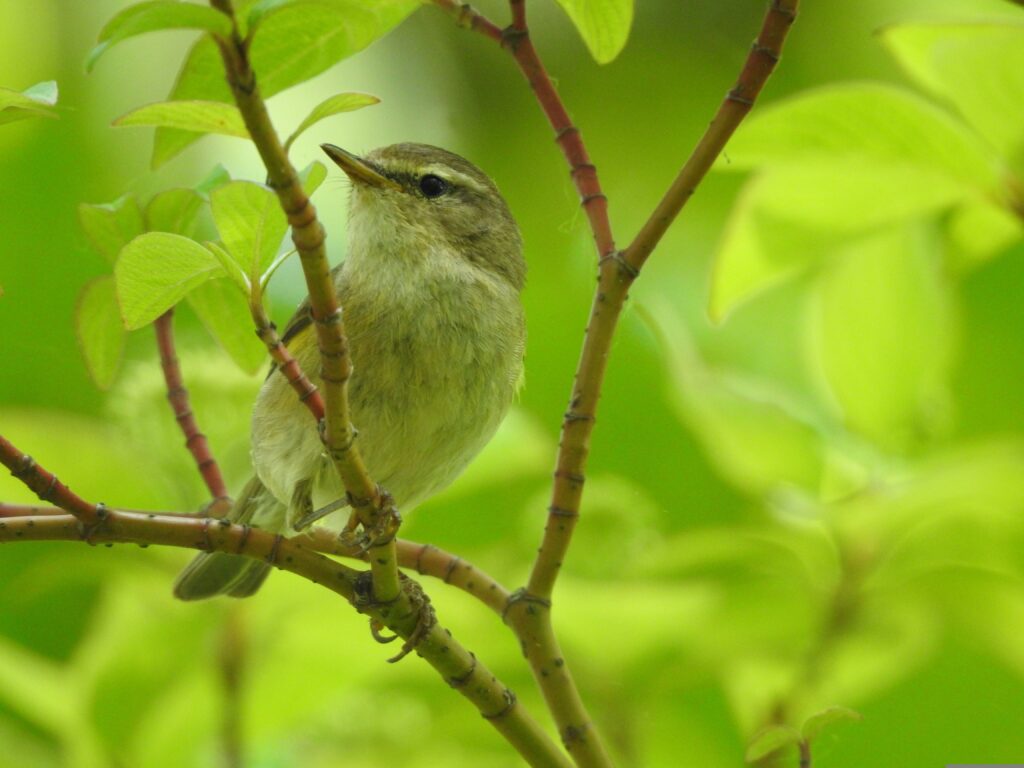
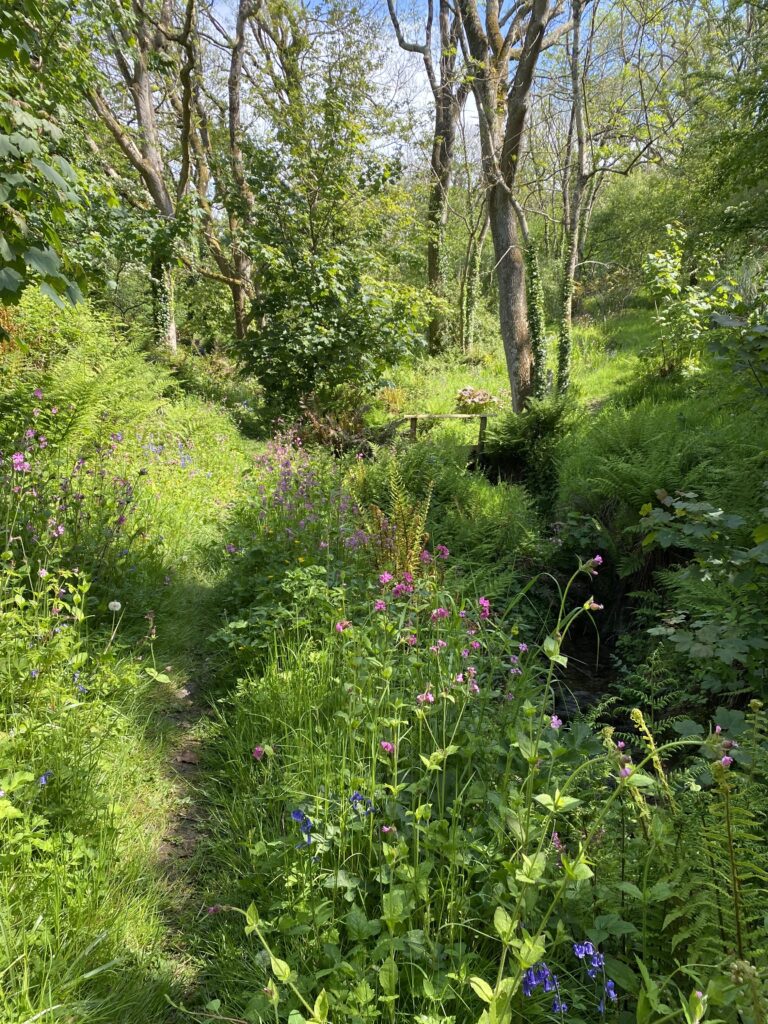
Imagine the journey… a willow warbler leaves southern Africa, feeding in the hot scrub amongst zebras and giraffes, the pull to migrate gets stronger in the New Year until, usually around mid-February, they leave and head north after a period of frenzied feeding to build up their fat reserves as fuel for the enormous, 5,000-mile journey northwards. Over the steaming Congo jungles – then the huge Saraha Desert, baking hot by day, freezing cold at night with little shelter – crossing the Mediterranean Sea – across Spain – over the peaks of the Pyrenees – through the valleys and hills of France – a final push over a stormy English Channel then an arrival in the small, flower-filled valley of Cwm Connell in west Wales where they arrive one night to add their simple, wistful, liquid song to many other songs in the valley where they may have bred the year before to repeat it all over again. The whole journey may take eight to twelve weeks to undertake from Africa to the UK.
How do they migrate?
How do they do it? By flying usually at night (it is safer and cooler) they navigate by inherited instinct – the accumulated knowledge of thousands of generations of willow warblers over millions of years of migrations. They use celestial navigation – built in star maps and the positions of the sun and moon logged into their brains. They can even perceive the Earth’s magnetic field as light or dark patterns so providing a compass to detect direction. Using physical landmarks such as rivers, coastlines and mountain ranges and even man-made features such as roads and towns. They travel in small groups, sometimes in bigger flocks, sometimes with other birds, but always with the same ‘core’ group of birds; often related by genetics or breeding/wintering locality.
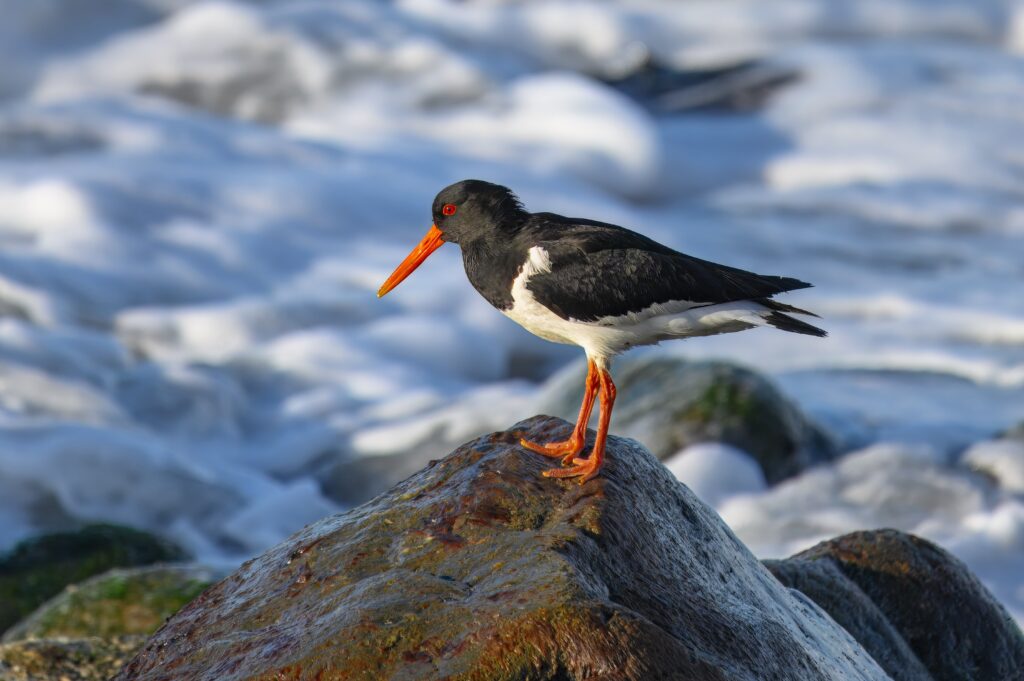
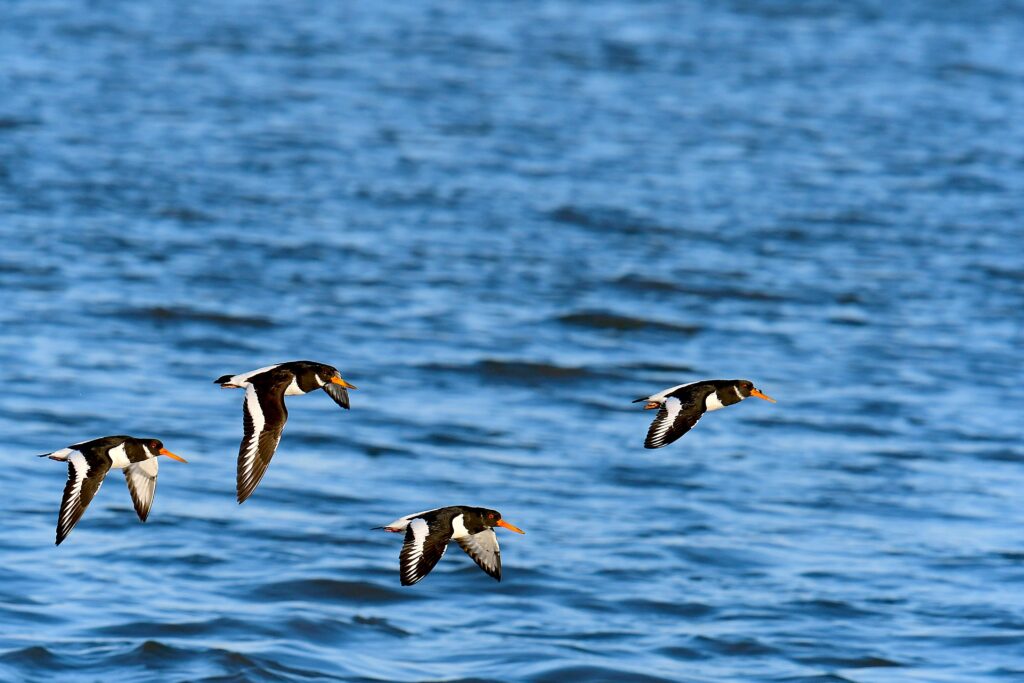
So, as you stand outside on that spring evening, or walk down the valley stream of Cwm Connell to Ceibwr Bay, listening to the bird songs, think what those tiny bundles of feathers and energy have done to get here (and fly back in the autumn). And simply wonder at the beauty, resilience and magic of Nature…
Steve Halton – Ecologist