


The Wisdom of Wintering: A Yogic Perspective on Rest, Reflection, and Renewal
In nature, winter is not a mistake or an inconvenience—it is an essential phase of the cycle of life. Trees withdraw their sap, animals hibernate, and the earth itself becomes still. Yet in modern culture, we are often encouraged to override this natural rhythm, pushing forward with the same intensity year-round. From a yogic perspective, this resistance to wintering can lead to depletion, imbalance, and disconnection from our deeper wisdom.
Yoga invites us back into rhythm. It teaches us that rest is not the opposite of growth; it is the ground from which growth arises.
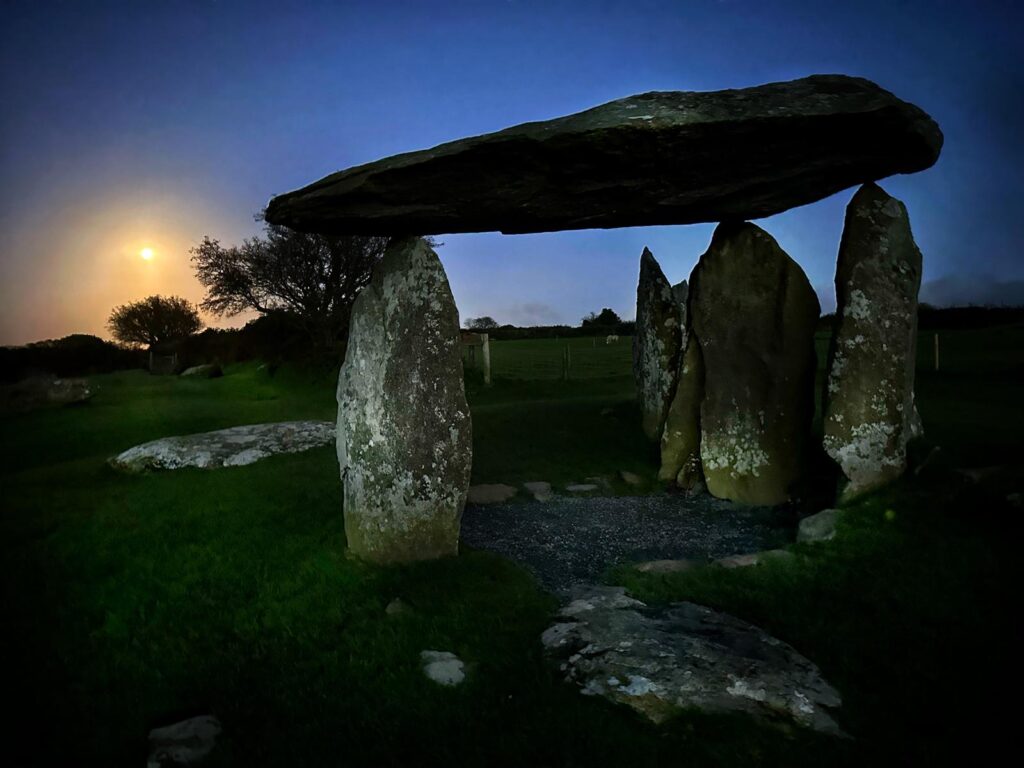
Winter and the Yogic View of Cycles
Yoga philosophy understands life as cyclical rather than linear. This is reflected in the concept of ṛtu, the seasons, which influence both the external world and our internal landscape. Winter aligns us with qualities of tamas—stillness, heaviness, and inwardness. While tamas is often misunderstood as stagnation, in its balanced form it provides stability, rest, and the fertile darkness needed for regeneration.

The Practice of Wintering
To “winter” in a yogic sense is to consciously allow yourself to slow down without guilt. It is the practice of listening rather than striving, of being rather than doing. Wintering may look like:
• Choosing restorative or yin yoga over vigorous flows
• Spending more time in meditation or svādhyāya (self-study)
• Allowing emotions to surface and be resolved rather than suppressed
• Creating clear boundaries around rest, sleep, and nourishment
This is not withdrawal from life, but a deep intimacy with it. Just as seeds germinate beneath frozen soil, our intentions and insights quietly take root during periods of stillness.
Winter as a Portal to Inner Stillness
In yogic symbolism, darkness is not feared—it is honoured as the womb of transformation. Winter nights are long, but they invite us to rest in śānti, a peace that arises when we stop resisting what is. When external stimulation quiets, we are more able to hear the subtle guidance of the inner teacher.
Winter becomes a sacred pause, offering space to digest the year that has passed and to sense what is quietly forming beneath the surface.
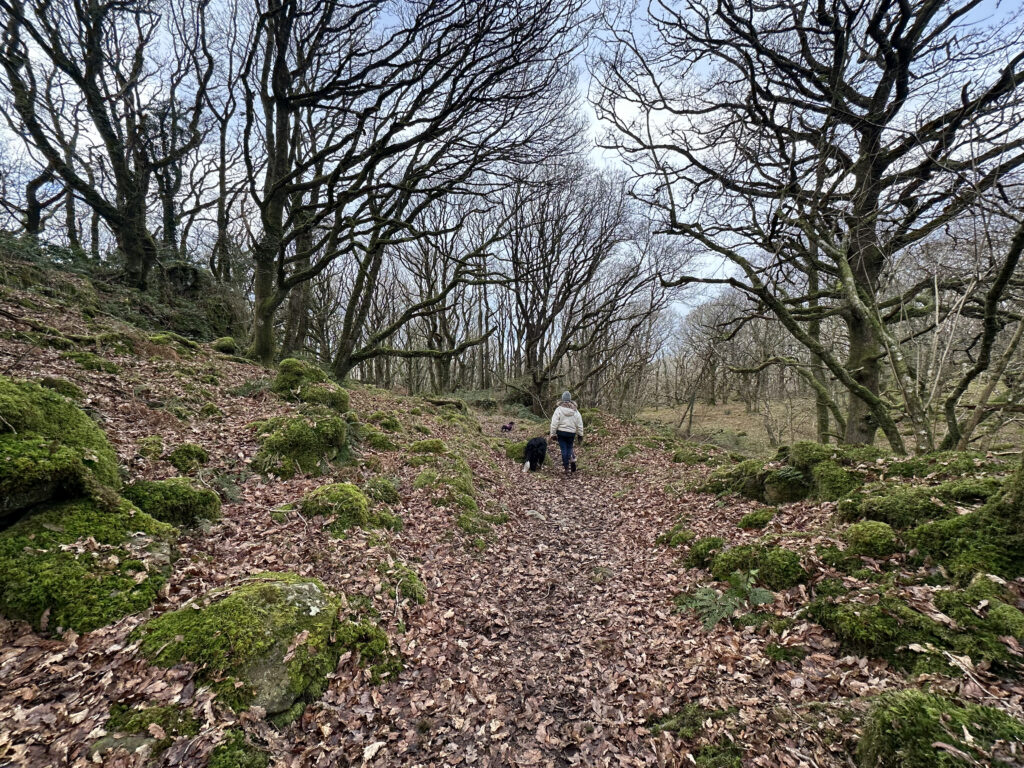
A Sanskrit Mantra for Wintering
This mantra comes from the Bṛhadāraṇyaka Upaniṣad and is traditionally used to move from turbulence toward deep peace:
ॐशान्तिःशान्तिःशान्तिः
Om Śāntiḥ Śāntiḥ Śāntiḥ
Om, peace, peace, peace.
The three repetitions of śāntiḥ are said to calm disturbances arising from the outer world, the inner world, and unseen forces. In winter practice, this mantra gently settles the nervous system and invites a profound sense of safety and containment.
You may chant it softly, let it vibrate silently within, or rest in the spaciousness that follows its repetition.

The Sacred Art of Wintering
Yoga reminds us that wholeness is found in attunement, not in constant motion. Winter offers us the opportunity to realign with the deeper rhythms of life, to replenish what has been spent, and to trust what is quietly unfolding.
Spring will come.
But first, we honour the sacred art of wintering.
Many thanks to our friend and neighbour Simon Moore for the use of his wonderful photography on our website and blog. Check out his Instagram account at mor_ffoto.


