

The Story of Welsh Wool: Heritage, Craft and the Timeless Appeal of Melin Tregwynt
Wales has long been a land shaped by sheep, stone, and skilled hands. For centuries, the wool industry has been woven into the fabric of Welsh life—both literally and culturally—creating textiles that are as practical as they are beautiful. Welsh wool blankets are treasured in every home.
A Rich History of the Welsh Wool Industry
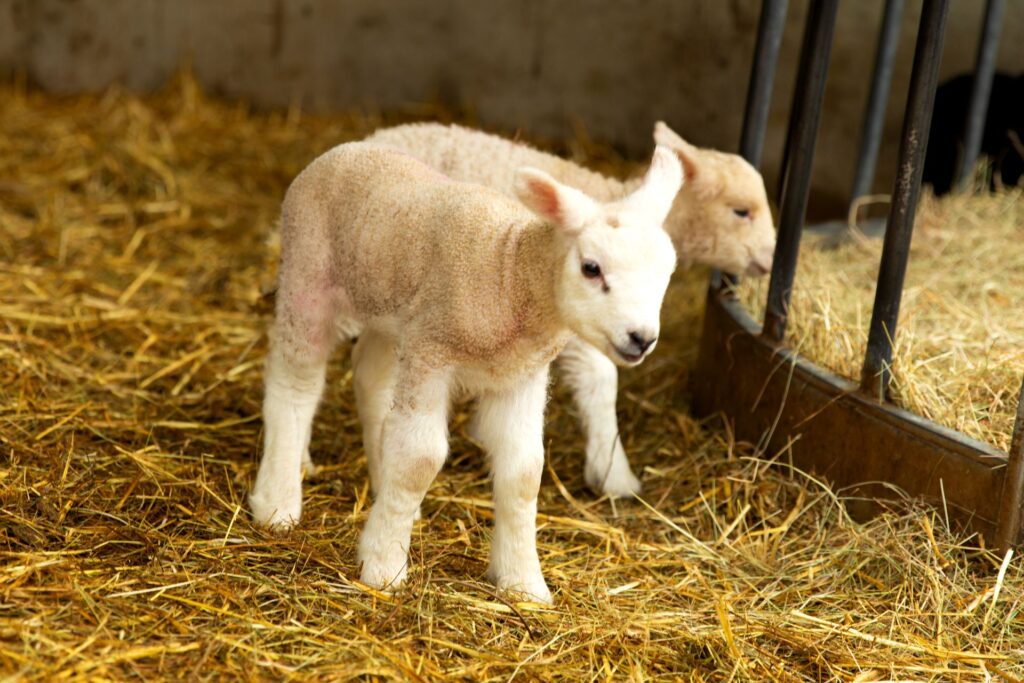
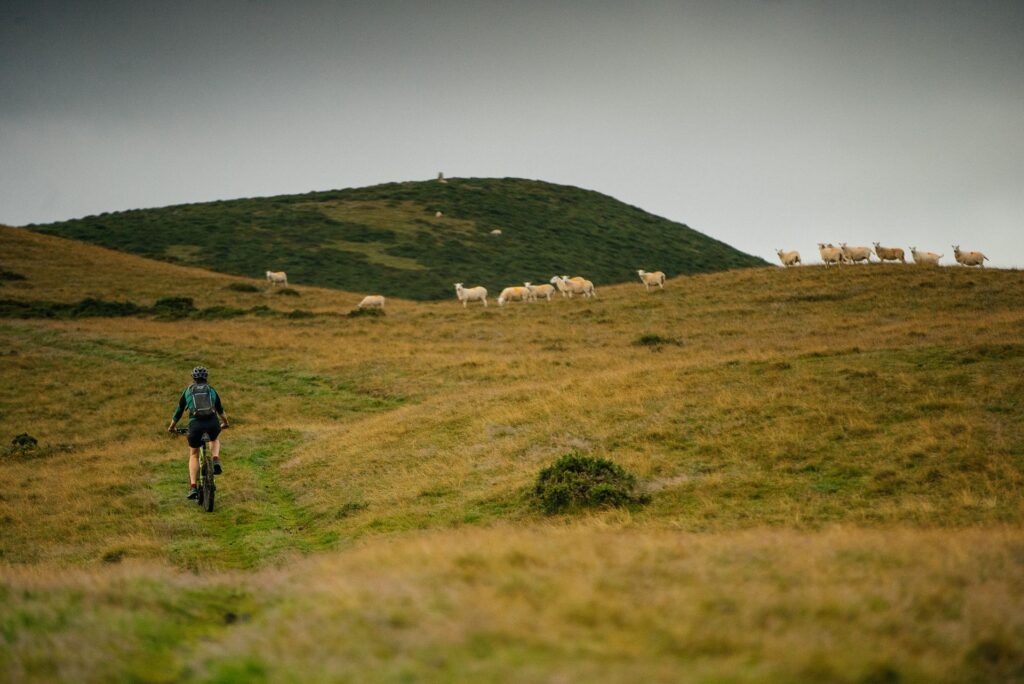
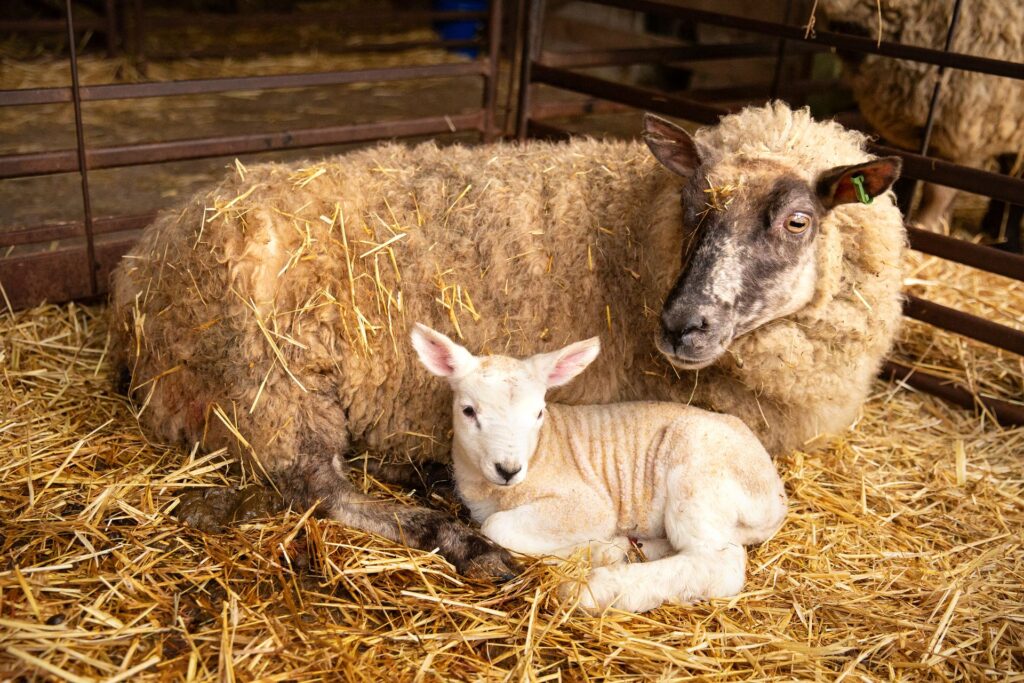
The story of wool in Wales stretches back hundreds of years. With its rugged landscapes and upland farms, Wales became a natural home for sheep farming. By the 18th and 19th centuries, almost every valley had its own woollen mill. These small, local enterprises formed the backbone of rural economies, transforming raw fleece into Welsh wool blankets, shawls and cloth for nearby communities.
Traditionally, wool would travel only a short distance—from farm to mill—where it was washed, carded, spun and woven. In many cases, transactions were local and informal, sometimes even bartered rather than bought outright.
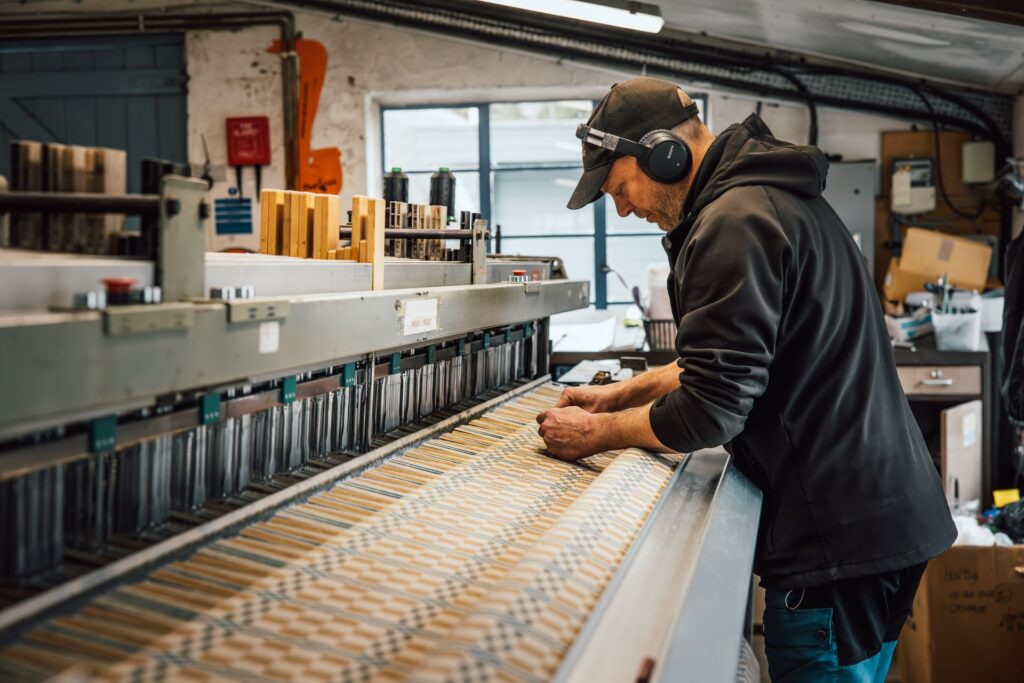
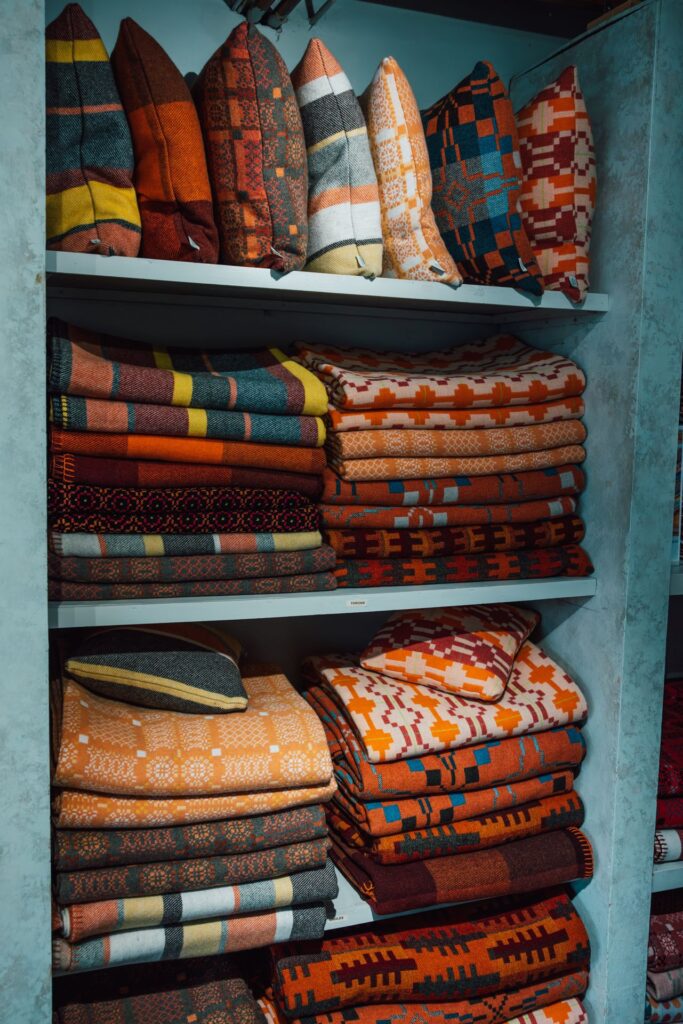
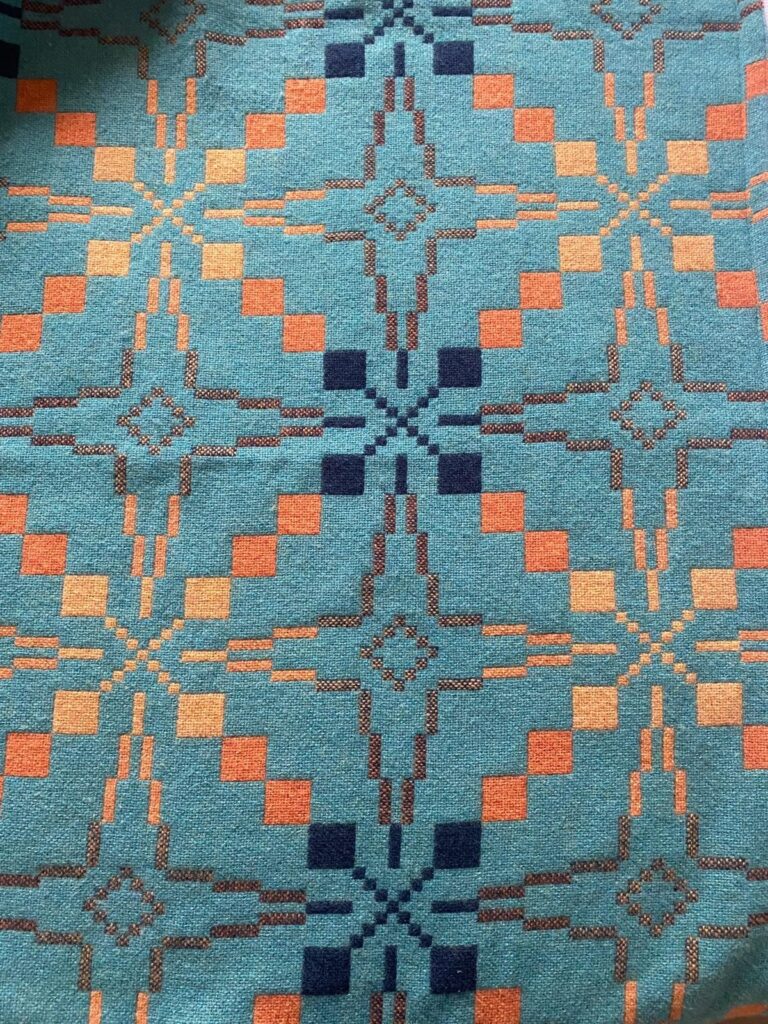
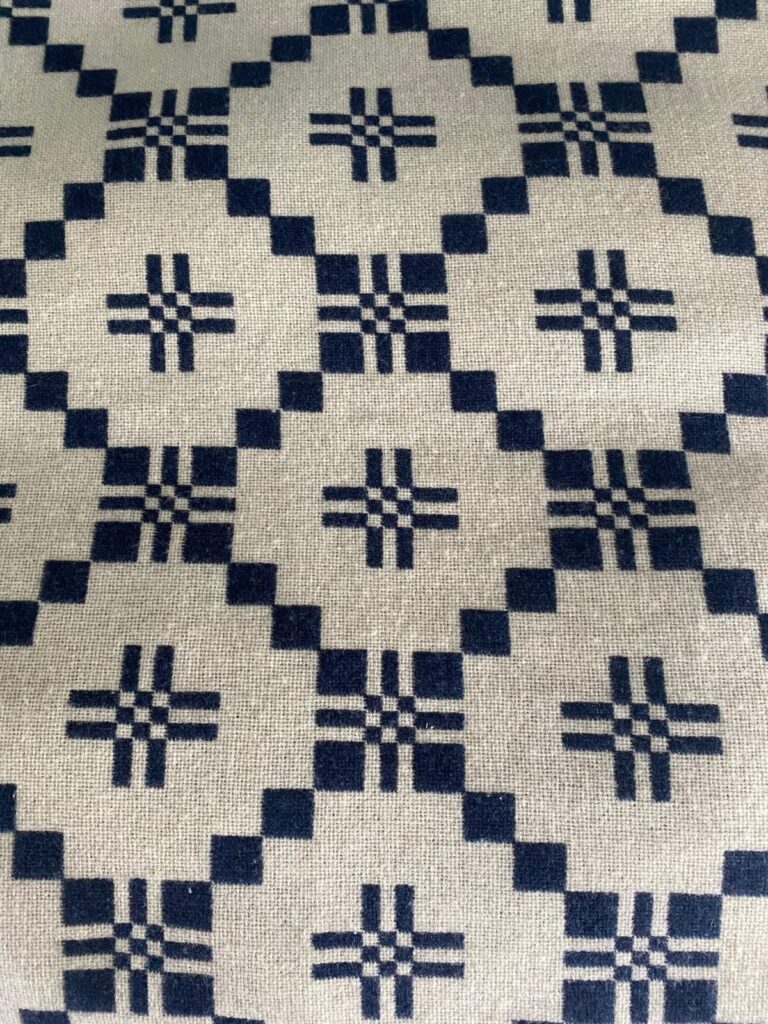
One of the most iconic outputs of this industry is the Welsh tapestry blanket. Using a distinctive double-weave technique, these blankets are reversible, durable and instantly recognisable for their bold geometric patterns. This method dates back to at least the 18th century and remains a hallmark of Welsh textile craftsmanship today.
While industrialisation and globalisation led to the decline of many mills in the 20th century, a handful survived—preserving not just a craft, but a way of life.
The National Wool Museum tells the history of the woollen industry and Welsh wool blankets, and has some great workshops and exhibitions. It is just a 40 minute drive from Cwm Connell.
Melin Tregwynt: A Living Welsh Mill
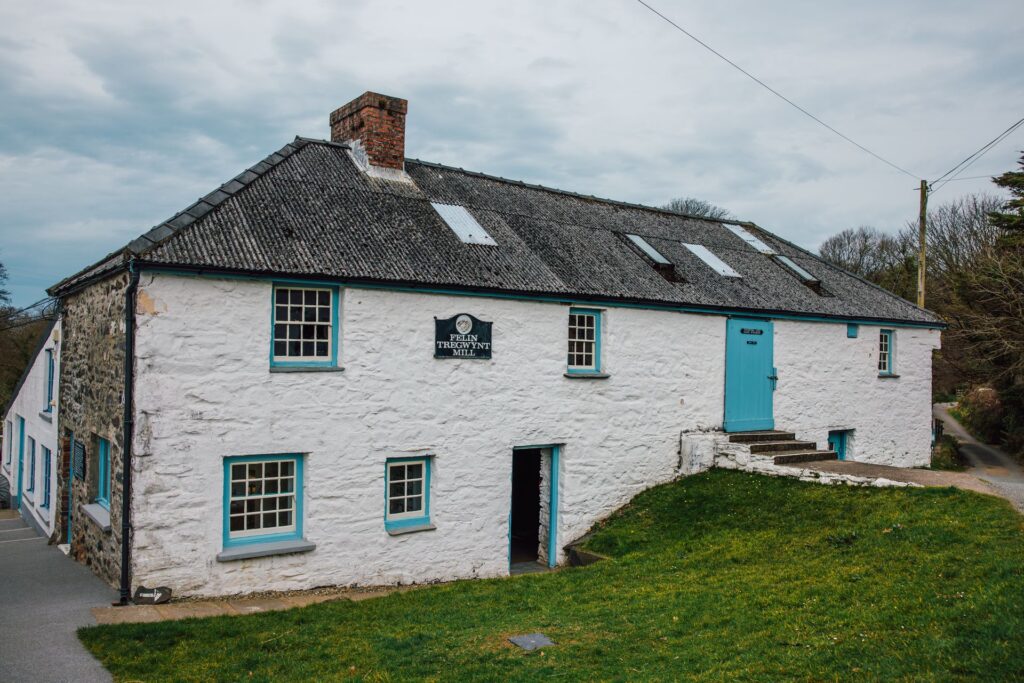
Nestled in a wooded valley near the Pembrokeshire coast, Melin Tregwynt is one of those rare survivors—a working woollen mill with roots stretching back to the 17th century. It is a wonderful day out for a visit from Cwm Connell and about a 40 minute drive to the south on the coast road via Fishguard.
Originally a corn mill, it was converted into a woollen mill in the 19th century, processing local fleeces into yarn and woven cloth. Today, it remains a thriving business, combining traditional techniques with contemporary design.
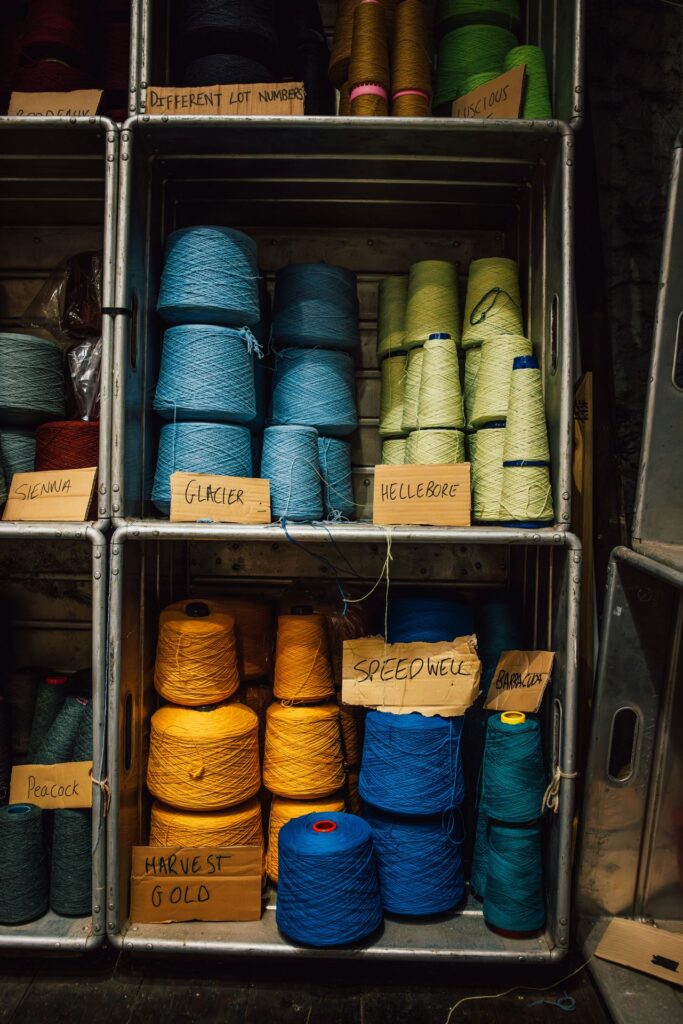
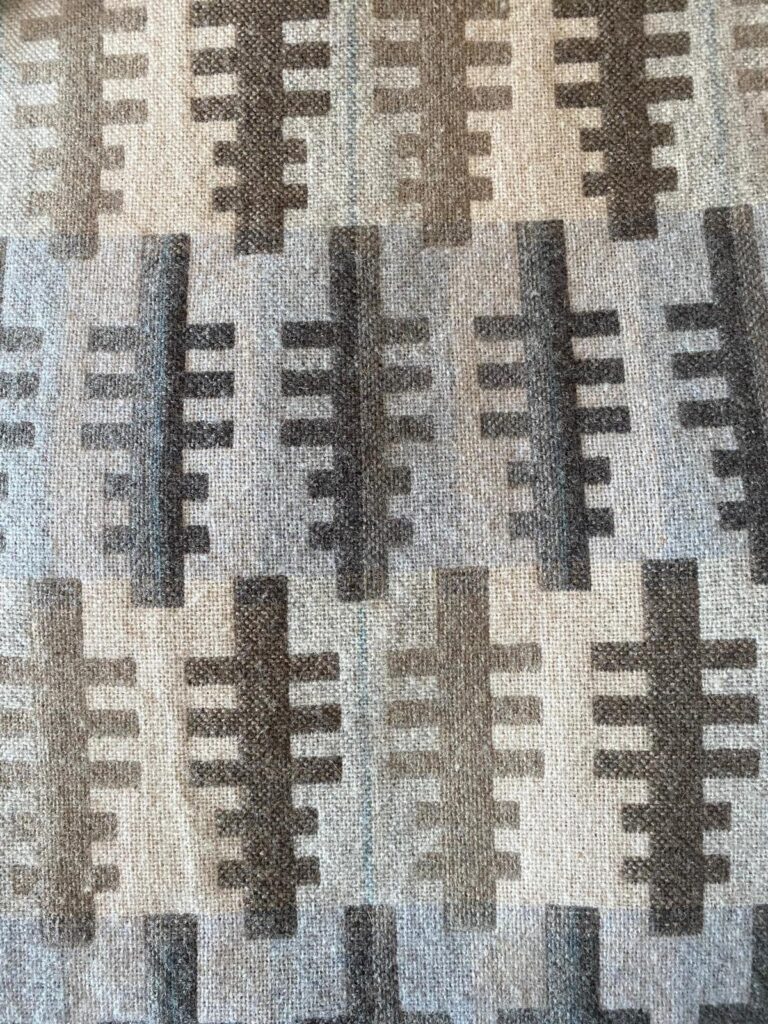
What makes Melin Tregwynt truly special is its continuity. The mill still produces its signature “double cloth” fabrics—thick, reversible weaves that echo centuries of Welsh textile tradition. Many of its patterns are rooted in historic designs, while others reinterpret Welsh heritage through modern colour and form.
The mill has evolved over time, growing from a local supplier into an internationally recognised name, with its blankets and textiles found in homes, hotels and shops across the world. Yet despite this global reach, it remains deeply connected to its landscape and community.
Visiting the Mill Today
A visit to Melin Tregwynt offers more than just shopping—it’s an experience of Welsh heritage in motion.
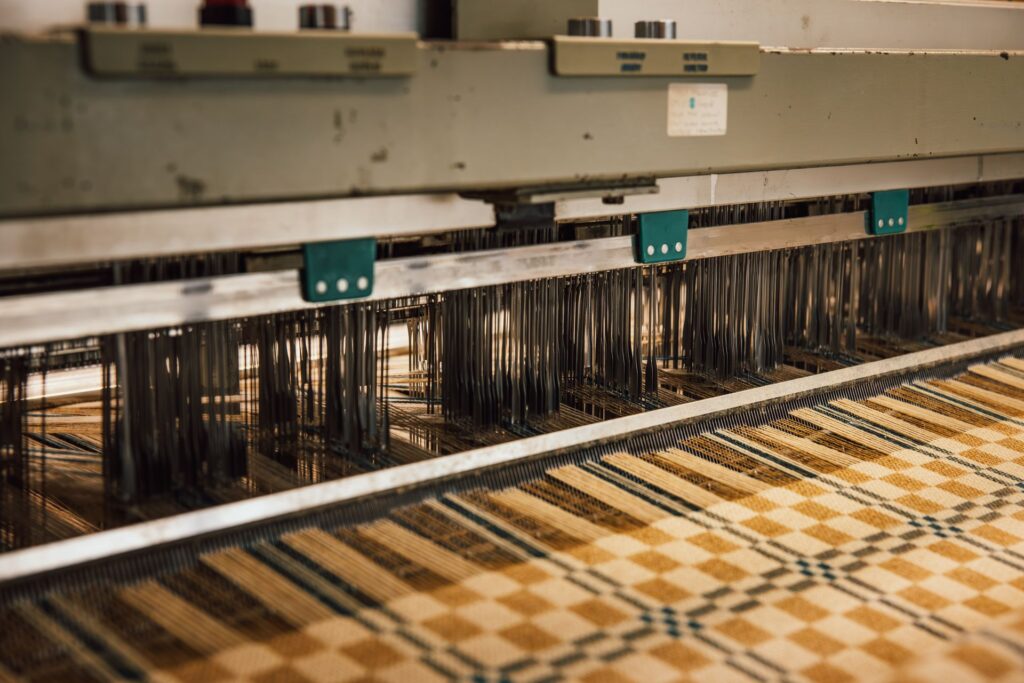
Visitors can explore the working mill, where the rhythmic sound of looms still fills the air on weekdays. Watching the weaving process brings to life the skill and craftsmanship behind each piece.
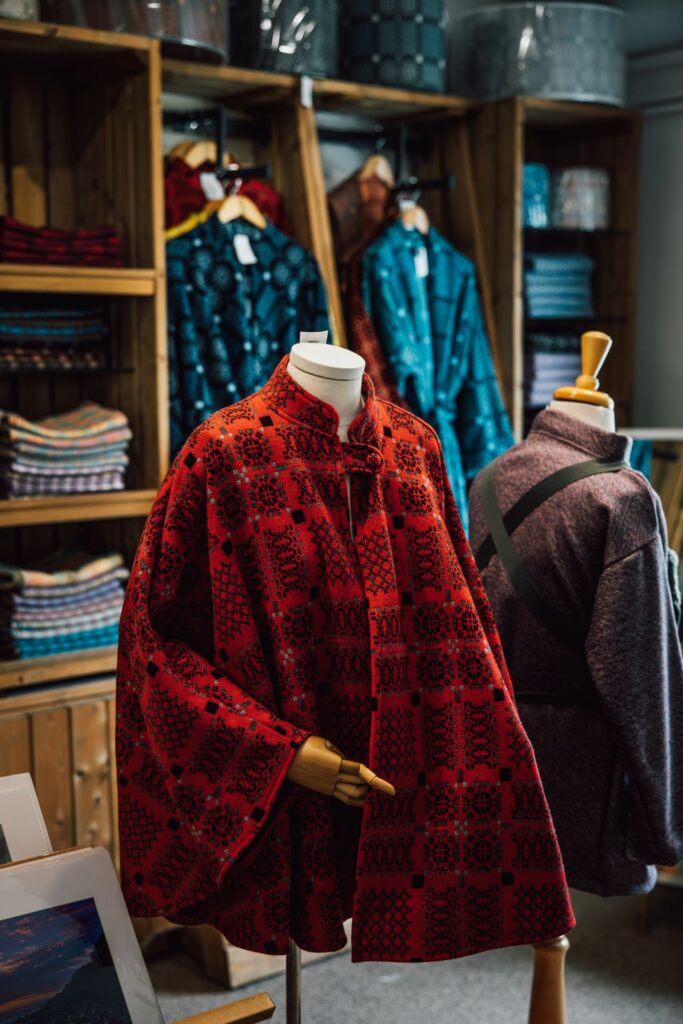
There is also an on-site shop and café, where guests can browse a wide selection of blankets, throws, cushions and gifts—all made using the mill’s distinctive fabrics. The setting itself, surrounded by woodland and close to the coast, makes it a memorable stop for anyone exploring West Wales.
Blankets with a Sense of Place
One of the most compelling aspects of Melin Tregwynt blankets is their connection to place and history.
Each design carries echoes of Welsh culture—whether inspired by traditional patterns, local landscapes, or the heritage of the mill itself. In the past, different mills and regions developed their own distinctive styles, and that legacy continues today in the rich variety of designs available.
These are not mass-produced items; they are textiles with a story. The use of Welsh wool in some collections also reflects a renewed commitment to local sourcing and sustainability, supporting farmers and keeping traditional supply chains alive.
A Perfect Fit for Welsh Holiday Cottages
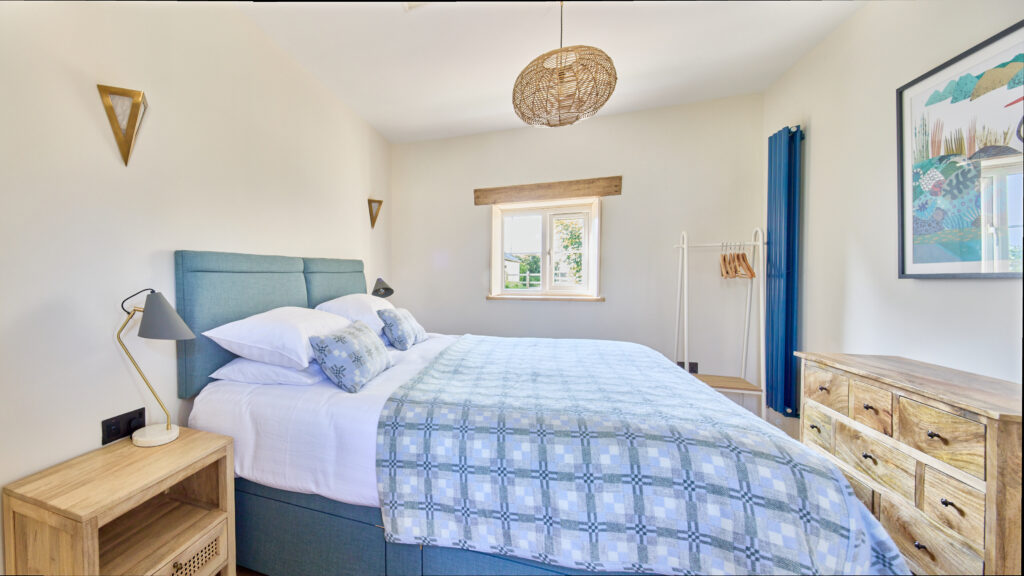
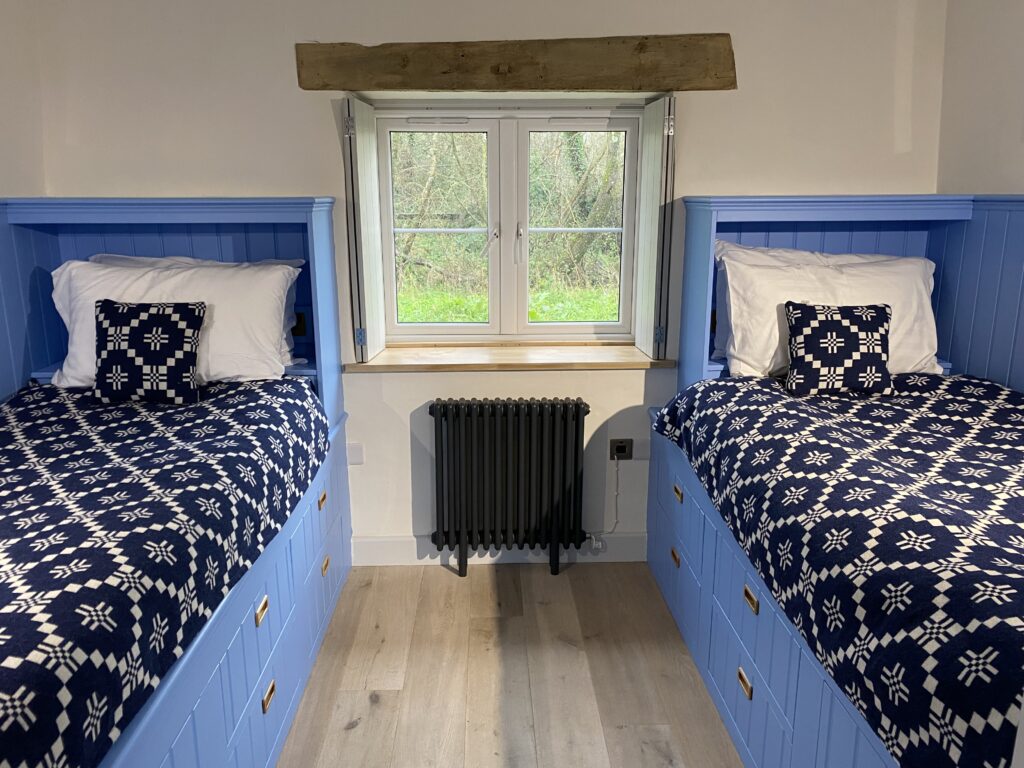
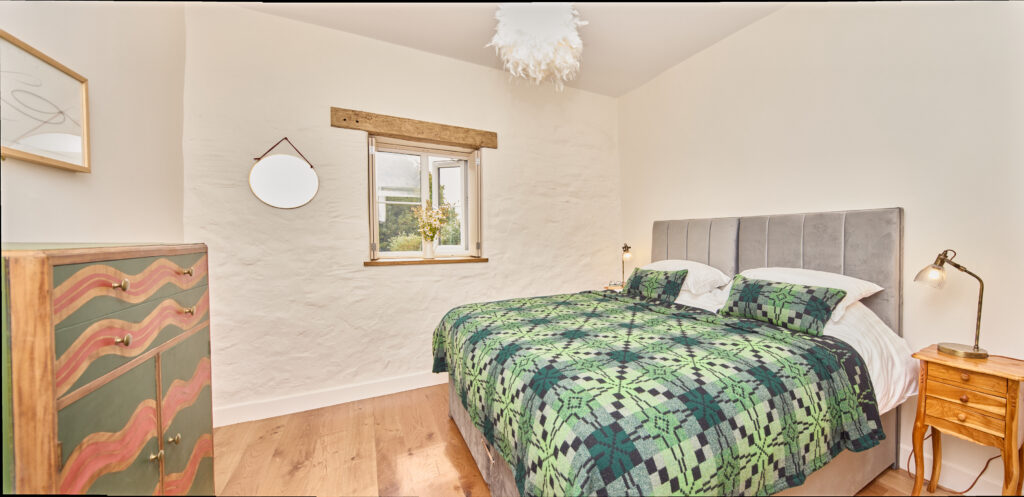
At Cwm Connell, we are proud to feature Melin Tregwynt blankets in our cottages. They bring warmth, comfort and a true sense of Welsh character to each space.
Guests often notice them immediately—the weight, the texture, the colours—and many are inspired to take a piece of Wales home with them. Whether draped over a bed or wrapped around shoulders on a cool evening, these blankets are both practical and deeply evocative.
For those looking to purchase, Melin Tregwynt offers a wide range of designs, allowing you to choose something that resonates personally—be it a pattern rooted in tradition or a more contemporary interpretation.
Keeping Tradition Alive
The story of Welsh wool is one of resilience. While many mills have disappeared, places like Melin Tregwynt continue to adapt, ensuring that traditional skills are not lost but carried forward into the future.
In every blanket, there is a thread that connects past to present: from the sheep on Welsh hillsides to the loom, and finally to homes and cottages where they are cherished.
It is this sense of continuity—of craft, place and history—that makes Welsh wool so special, and why it remains such an integral part of the Welsh experience.
This Spring the Princess of Wales visited Melin Tregwynt and gave her support to the Welsh Wool industry.
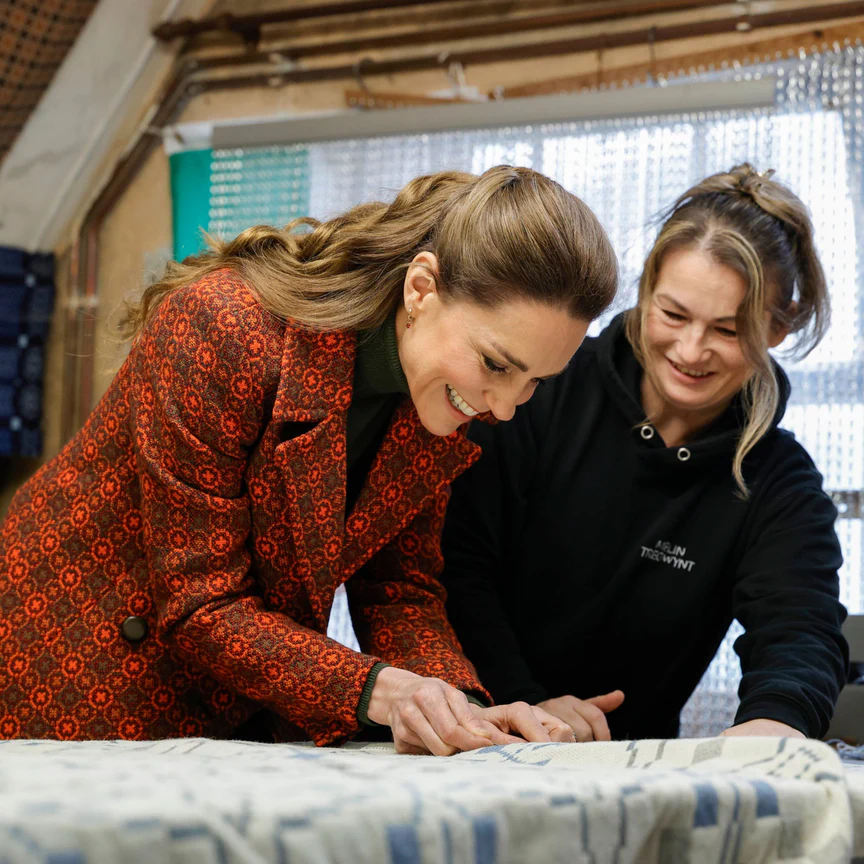
Other photos thanks to Crown Copyright


